

 русский
 Español
 عربى
عربى

Content
- 1 Understanding the Role of Piston Motors in Modern Machinery
- 2 Design Principles of Piston Motors
- 3 Performance Benefits in Heavy-Duty Applications
- 4 Reliability and Maintenance Advantages
- 5 Efficiency and Energy Optimization
- 6 Comparing Piston Motors with Other Motor Types
- 7 Applications Across Industries
- 8 Why Piston Motors Are Indispensable
Understanding the Role of Piston Motors in Modern Machinery
Piston motors are a fundamental component in high-performance equipment, particularly in industrial, construction, and mobile hydraulic systems. Their ability to deliver high torque, precise control, and efficient power conversion makes them indispensable in machinery that demands reliability and consistent output. Unlike conventional motors, piston motors are designed to handle heavy loads and operate under extreme conditions, ensuring maximum efficiency and performance.
From hydraulic excavators and forestry equipment to industrial presses and agricultural machines, piston motors provide the power density and flexibility required for demanding applications. Understanding their design, advantages, and operational impact is essential for engineers, operators, and fleet managers who rely on equipment uptime and optimal productivity.
Design Principles of Piston Motors
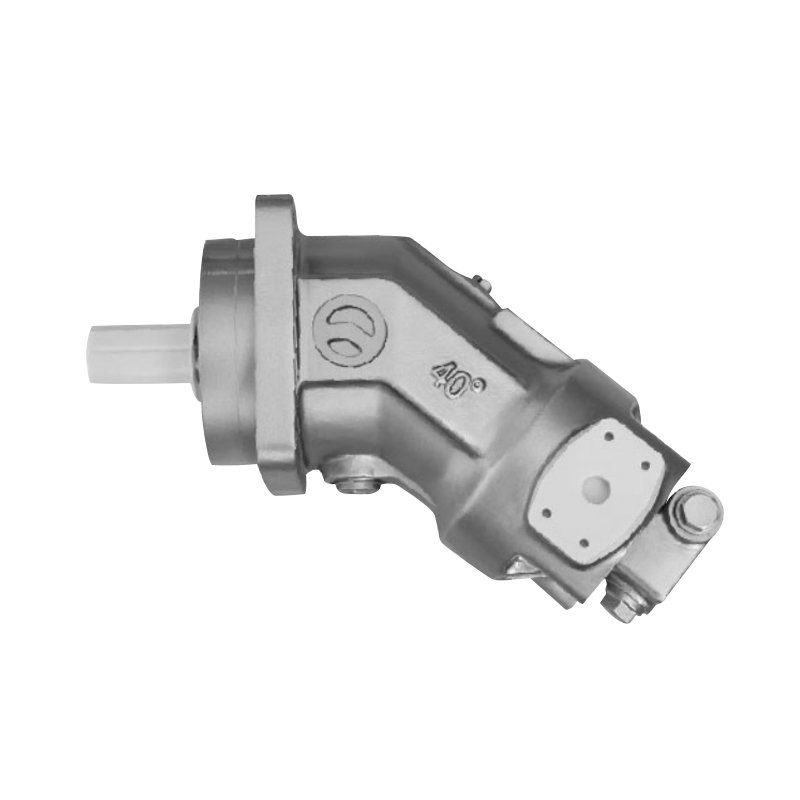
Piston motors operate on the principle of hydraulic energy conversion, using pistons arranged in radial or axial configurations to generate rotational motion. This design allows for high torque at low speeds, making them suitable for applications where both power and precision are critical. Key components include the cylinder block, pistons, swash plate, and a rotating shaft, all engineered for smooth and reliable operation.
The flexibility in design enables piston motors to meet specific application requirements. Axial piston motors offer compact designs and high efficiency, while radial piston motors excel in high-torque scenarios. These configurations provide engineers with the ability to optimize performance based on operational needs.
Core Advantages of Piston Motor Design
- High torque output even at low speeds
- Compact and adaptable to different machine layouts
- Precise control of rotational speed and torque
Performance Benefits in Heavy-Duty Applications
Piston motors are favored in high-performance equipment because they provide superior efficiency and durability. The robust construction enables operation under high pressure and continuous load without compromising output stability. This makes them ideal for applications like hydraulic excavators, drilling rigs, and industrial presses, where equipment must deliver consistent performance for extended periods.
Their high power-to-weight ratio also allows designers to reduce overall machine weight without sacrificing performance. Reduced weight leads to improved fuel efficiency, lower wear on supporting structures, and better maneuverability, especially in mobile applications.
Reliability and Maintenance Advantages
Reliability is a critical factor for machinery in industrial and mobile environments. Piston motors are designed with durable materials and precision engineering to minimize wear and extend service life. Regular maintenance requirements are lower than for some alternative motor types due to the efficient hydraulic system design, reducing downtime and operational costs.
Furthermore, modular piston motor designs allow for easy replacement of individual components such as pistons or seals, which simplifies maintenance procedures and enhances long-term reliability. Operators benefit from reduced risk of unexpected failure, ensuring consistent productivity.
Efficiency and Energy Optimization
Energy efficiency is a key advantage of piston motors. Their ability to convert hydraulic energy into mechanical rotation with minimal losses contributes to lower fuel consumption and reduced operational costs. Variable displacement designs further optimize energy usage by adjusting flow and torque according to load demands, ensuring equipment only uses the energy necessary for a given task.
High efficiency not only saves energy but also reduces heat generation within the system, extending the lifespan of hydraulic fluids, seals, and other critical components. This is especially important in continuous operation environments such as construction sites and industrial plants.
Efficiency-Focused Features of Piston Motors
- Variable displacement for load-responsive operation
- Low internal friction for minimal energy loss
- High-pressure capability for maximum torque output
Comparing Piston Motors with Other Motor Types
| Feature | Gear Motor | Piston Motor |
| Torque Output | Moderate | High, even at low speed |
| Efficiency | Lower at high loads | High, load-responsive |
| Maintenance | Frequent | Modular, easier |
Applications Across Industries
Piston motors are highly versatile, serving diverse sectors such as construction, agriculture, forestry, mining, and industrial manufacturing. Their adaptability to different hydraulic systems and load requirements makes them ideal for both mobile and stationary applications. Equipment such as excavators, skidders, industrial presses, and conveyor drives rely on piston motors for precise and consistent operation.
Industries that demand high torque, reliability, and variable-speed operation benefit the most from piston motor integration. Their ability to withstand continuous use and extreme conditions ensures that machinery remains productive and efficient.
Why Piston Motors Are Indispensable
Piston motors are essential for high-performance equipment because they combine efficiency, durability, and precision. Their high torque, compact design, and energy-optimized operation make them superior to many other motor types in demanding industrial applications. Whether used in mobile machinery or stationary industrial systems, piston motors ensure reliable performance, reduced maintenance, and improved overall productivity.
For engineers and operators seeking to maximize operational efficiency, minimize downtime, and extend equipment life, integrating piston motors is a strategic and practical choice. Their versatility and robust performance continue to set the standard for high-performance machinery across multiple industries.