

 русский
 Español
 عربى
عربى

Content
Understanding Piston Motor Maintenance
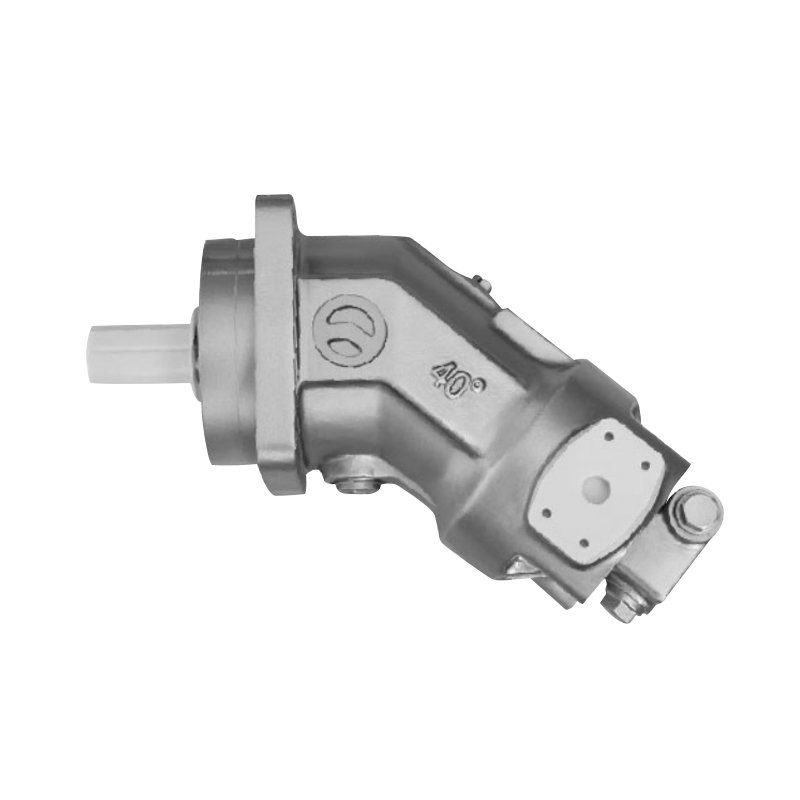
Piston motors are critical components in hydraulic and industrial systems, offering high efficiency and precise control. Ensuring their optimal performance requires regular and practical maintenance practices that focus on mechanical integrity, lubrication, and operational monitoring.
Routine Inspection Practices
Regular inspections are the foundation of effective piston motor maintenance. Operators should establish a structured schedule to detect early signs of wear or damage. Inspections should cover external components, hydraulic connections, and mounting points.
Visual Inspection of External Components
Check the motor housing, seals, and connectors for leaks, corrosion, or cracks. Visible oil leaks or damage to seals indicate potential internal issues that need immediate attention.
Hydraulic Connection Checks
Inspect hoses, fittings, and adapters for signs of wear or improper tightening. Loose connections can cause pressure drops and reduce motor efficiency.
Mounting and Alignment Verification
Ensure the motor is properly mounted and aligned with connected equipment. Misalignment can lead to uneven wear on internal pistons and premature failure.
Lubrication and Fluid Management
Proper lubrication and hydraulic fluid management are essential to minimize friction, heat generation, and component wear.
Selecting the Right Hydraulic Fluid
Choose hydraulic fluid that matches the manufacturer’s specifications. Fluid with incorrect viscosity or contamination can reduce motor efficiency and accelerate wear.
Fluid Change Intervals
Establish a routine schedule for hydraulic fluid replacement. Monitor fluid quality for contamination or discoloration, which can indicate internal component wear.
Lubrication of Mechanical Parts
Apply appropriate lubricants to bearings and moving parts. Proper lubrication reduces friction and heat buildup, extending the motor’s lifespan.
Performance Monitoring and Testing
Monitoring the operational performance of piston motors can prevent unexpected downtime and enhance efficiency.
Pressure and Flow Rate Monitoring
Measure operating pressures and flow rates regularly. Deviations from normal parameters can indicate internal leakage, worn pistons, or other issues.
Temperature Tracking
Monitor motor temperature during operation. Overheating can damage seals and pistons. Implement cooling solutions or adjust operational loads as needed.
Vibration and Noise Analysis
Excessive vibration or unusual noise may signal misalignment, worn components, or cavitation. Early detection allows for corrective action before major failure.
Cleaning and Environmental Considerations
Maintaining a clean environment around piston motors reduces contamination and wear.
Surface Cleaning
Regularly clean external surfaces to remove dust, oil, and debris that may interfere with operation or cooling.
Contamination Prevention
Use filters and seals to prevent dirt and particles from entering the hydraulic system. Contaminants can cause scoring on pistons and cylinder walls.
Documentation and Maintenance Scheduling
Keeping detailed records ensures consistent maintenance and early problem detection.
Maintenance Logs
Document inspection dates, fluid changes, and part replacements. Logs help identify patterns in wear and predict future maintenance needs.
Scheduled Servicing
Implement a structured service schedule based on operating hours and manufacturer recommendations. Preventive maintenance reduces downtime and extends motor life.
Troubleshooting Common Issues
Even with proper maintenance, piston motors may develop issues. Early troubleshooting is key to maintaining performance.
Reduced Output or Efficiency
Check for hydraulic leaks, worn pistons, or clogged filters. Addressing these issues promptly restores performance.
Unusual Noise or Vibration
Inspect bearings, alignment, and mounting hardware. Repair or replace damaged components to prevent further damage.
Overheating Issues
Review fluid levels, viscosity, and cooling systems. Adjust operational parameters to maintain safe operating temperatures.
Summary of Best Practices
| Maintenance Area | Best Practice |
| Inspection | Regular visual checks, hydraulic connections, and alignment verification |
| Lubrication | Use manufacturer-recommended fluids and maintain proper lubrication intervals |
| Performance Monitoring | Track pressure, flow, temperature, and vibration levels |
| Cleaning | Maintain clean surfaces and prevent contamination |
| Documentation | Keep detailed maintenance logs and service schedules |
By following these structured maintenance practices, piston motors can maintain optimal efficiency, extend their service life, and reduce unexpected downtime in industrial and hydraulic applications.