

 русский
 Español
 عربى
عربى

Content
Introduction to Vane Motors
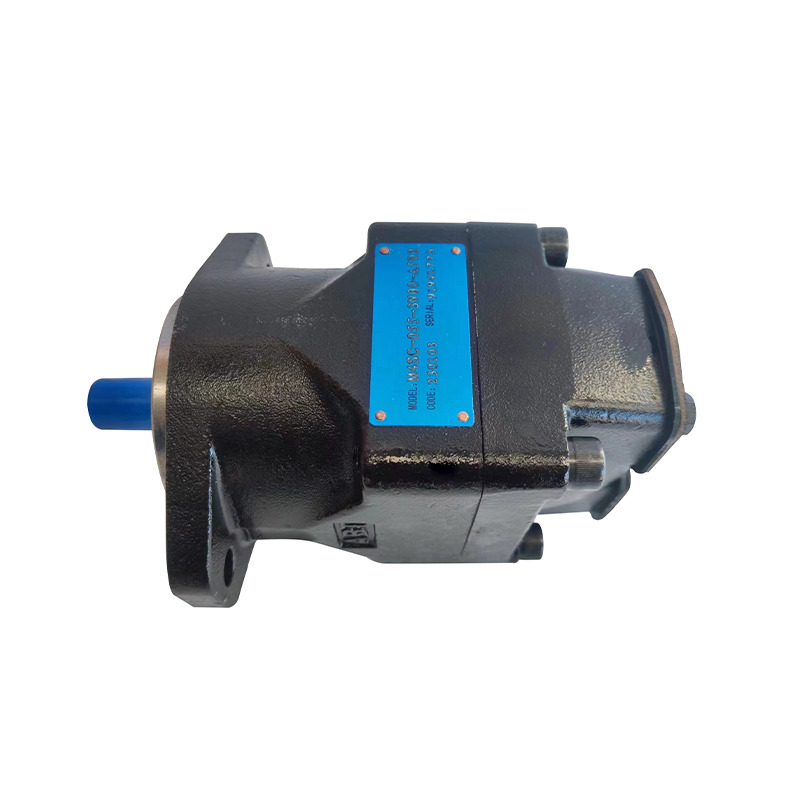
Vane motors are essential components in hydraulic systems, widely used across industrial, mobile, and automation applications. Their compact design, precise control, and high efficiency make them a preferred choice for machines requiring reliable rotational motion. Unlike traditional motors, vane motors convert hydraulic energy into mechanical energy with minimal losses, allowing high performance without excessive energy consumption.
In industries where energy costs are a significant concern, vane motors offer a practical solution. Their ability to maintain torque under varying loads and deliver smooth operation ensures optimized performance, reduced downtime, and energy-efficient operation. As modern industries increasingly prioritize sustainability, the role of vane motors becomes even more critical.
Design Principles Behind Energy Efficiency
The efficiency of vane motors stems from their innovative design. The rotor, equipped with sliding vanes, creates sealed chambers that trap hydraulic fluid and convert pressure into rotational force. This mechanism ensures minimal internal leakage and maximizes energy transfer, reducing wasted power.
Precision engineering allows the vanes to maintain constant contact with the cam ring, which minimizes friction and mechanical wear. This not only extends the motor's lifespan but also ensures consistent energy-efficient performance under various operating conditions.
Key Design Features
- Sliding vanes for smooth hydraulic-to-mechanical energy conversion
- Compact and lightweight rotor for reduced inertia
- Low-friction cam rings and seals to minimize energy losses
- Variable displacement designs for load-responsive efficiency
Applications That Benefit From Vane Motors
Vane motors are versatile, supporting applications ranging from industrial conveyors and presses to mobile machinery and construction equipment. Their consistent torque delivery and efficiency make them ideal for operations that require precise control without sacrificing energy savings.
In mobile hydraulics, vane motors allow compact, high-torque solutions that enhance vehicle performance without increasing fuel consumption. In industrial automation, they contribute to faster production cycles while maintaining energy efficiency, directly impacting operational costs and sustainability goals.
Industry Applications
- Material handling and conveyor systems
- Mobile construction machinery
- Hydraulic presses and automation equipment
- Agricultural machinery and forestry applications
Performance Optimization Strategies
To fully leverage the energy efficiency of vane motors, operators can implement several optimization strategies. Selecting the correct motor displacement, maintaining proper hydraulic fluid quality, and minimizing system leaks ensure peak efficiency. Advanced control systems can also adjust motor speed and torque based on load, further reducing unnecessary energy consumption.
Regular maintenance, such as checking vanes for wear and ensuring the cam ring is properly lubricated, directly impacts motor efficiency. Proactive monitoring systems can alert operators to inefficiencies before they lead to performance drops, creating a balance between high output and energy conservation.
Efficiency Improvement Techniques
- Variable displacement control to match load requirements
- High-quality hydraulic fluid with proper viscosity
- Leak prevention and seal maintenance
- Integration with predictive maintenance and monitoring systems
Energy Cost Reduction Without Compromise
Vane motors achieve energy efficiency not by reducing output but by optimizing energy conversion. Unlike less efficient motors, they maintain consistent torque with minimal hydraulic loss, ensuring machinery operates at full performance while consuming less energy.
This energy-conscious design is critical in industries with high operational demands. Lower energy consumption translates to reduced operating costs and a smaller carbon footprint, making vane motors a sustainable choice for both manufacturers and end-users.
Future Developments and Trends
The next generation of vane motors will likely integrate smart sensors, IoT connectivity, and AI-driven control systems. These innovations can further optimize performance by dynamically adjusting flow rates, torque, and speed in real-time, ensuring peak efficiency across all operating conditions.
Emerging materials and coatings for vanes and cam rings also promise to reduce friction and wear, enhancing longevity and energy savings. With increasing industrial focus on sustainability, vane motors are expected to play a crucial role in energy-conscious machinery design.
Conclusion: Balancing Performance and Efficiency
Vane motors provide an effective solution for industries seeking high-performance machinery without escalating energy costs. Through innovative design, precise engineering, and maintenance optimization, these motors deliver consistent torque, reliable operation, and energy-efficient performance.
By integrating vane motors into hydraulic systems, businesses can achieve operational excellence, cost savings, and sustainability goals simultaneously. Their continued development ensures they remain a cornerstone of modern, energy-conscious industrial applications.