

 русский
 Español
 عربى
عربى

Content
Understanding Hydraulic Piston Pump Efficiency
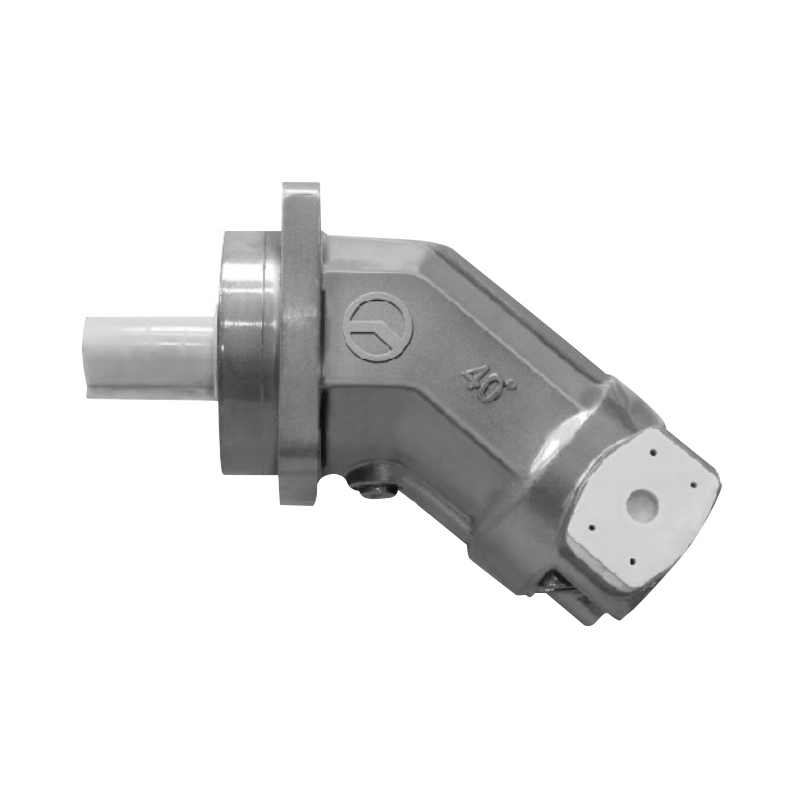
Hydraulic piston pumps are critical components in hydraulic systems, responsible for converting mechanical energy into hydraulic energy. Efficiency in these pumps directly impacts energy consumption, system performance, and operational costs. Improving pump efficiency requires a thorough understanding of internal mechanisms, fluid dynamics, and operational conditions.
Optimizing Design for Efficiency
The design of a hydraulic piston pump plays a significant role in its efficiency. Manufacturers and engineers can enhance efficiency by focusing on the following aspects:
Reducing Internal Leakage
Internal leakage is a common cause of efficiency loss. Precision machining of pistons, cylinder blocks, and valve plates minimizes gaps and prevents excessive fluid bypass. High-quality seals and low-friction materials also reduce leakage and wear.
Optimizing Piston Stroke and Cylinder Angle
The piston stroke length and cylinder block angle directly affect volumetric efficiency. Shorter strokes with optimized angles can reduce friction and turbulence, leading to smoother flow and lower energy losses.
Using Advanced Materials
Selecting materials with low friction coefficients and high wear resistance improves mechanical efficiency. Materials such as hardened steel, ceramics, or polymer composites reduce heat generation and mechanical losses, extending the pump’s lifespan.
Improving Operational Efficiency
Beyond design, the way a pump is operated has a significant impact on efficiency. Proper usage practices can prevent energy loss and increase performance.
Maintaining Optimal Fluid Viscosity
Hydraulic fluids must maintain appropriate viscosity for maximum efficiency. Too thick fluids increase resistance, while too thin fluids cause excessive leakage. Using fluids recommended by the manufacturer and monitoring temperature helps maintain ideal viscosity.
Controlling Operating Pressure
Operating the pump within its designed pressure range prevents energy loss. Excessive pressure increases mechanical stress and heat generation, while low pressure can reduce system responsiveness. Installing pressure relief valves and monitoring gauges ensures safe and efficient operation.
Reducing Start-Stop Cycles
Frequent starts and stops decrease pump efficiency due to pressure surges and mechanical wear. Implementing variable displacement pumps or using accumulator systems can smooth operation and reduce energy spikes.
Regular Maintenance Practices
Proper maintenance is essential to maintain hydraulic piston pump efficiency over time. A structured maintenance schedule can prevent performance degradation and unexpected downtime.
Cleaning and Filtration
Contaminants in hydraulic fluid increase wear and reduce efficiency. Using high-quality filters and regularly replacing them prevents debris from entering the pump, ensuring smooth operation.
Lubrication and Seal Inspection
Lubricating moving parts and inspecting seals for wear reduces friction and internal leakage. Replacing worn seals promptly preserves volumetric efficiency and prevents fluid loss.
Monitoring Temperature and Vibration
Excessive heat and vibration are indicators of inefficiency or mechanical issues. Installing temperature sensors and vibration monitors allows early detection of problems and helps maintain optimal operating conditions.
Energy-Saving Techniques
Implementing energy-saving methods can significantly improve hydraulic piston pump efficiency, especially in large-scale industrial applications.
Variable Displacement Pumps
Variable displacement pumps adjust the flow according to system demand, reducing unnecessary energy consumption. This technology prevents continuous high-pressure operation, saving power and reducing heat generation.
Heat Recovery Systems
Hydraulic systems generate heat, which is often wasted. Integrating heat recovery systems can use this energy for preheating fluids or powering auxiliary devices, indirectly improving pump efficiency.
Optimizing System Layout
Shortening pipe lengths, reducing sharp bends, and using proper fittings decreases pressure drops and flow resistance. An optimized hydraulic circuit ensures that the pump operates under the least resistance, maximizing output efficiency.
Comparing Efficiency Improvements
The following table summarizes the key methods to improve hydraulic piston pump efficiency and their impact on performance:
| Method | Focus Area | Efficiency Impact |
|---|---|---|
| Precision Design | Internal leakage, friction | High |
| Optimal Fluid Management | Viscosity, temperature | Medium |
| Regular Maintenance | Seals, filters, lubrication | High |
| Energy-Saving Technologies | Variable displacement, heat recovery | High |
| System Layout Optimization | Pipe resistance, flow path | Medium |
Conclusion
Improving the efficiency of hydraulic piston pumps is a combination of precise design, careful operation, regular maintenance, and strategic energy-saving practices. By addressing internal leakage, optimizing fluid properties, monitoring operating conditions, and implementing advanced technologies, engineers can significantly reduce energy consumption, enhance performance, and prolong the service life of hydraulic systems.