


 русский
 Español
 عربى
عربى

Content
- 1 What Is a Small 12 Volt Hydraulic Pump?
- 2 Common Applications and Use Cases
- 3 Types of Small 12V Hydraulic Pumps
- 4 Key Specifications to Compare Before Buying
- 5 How to Size a 12V Hydraulic Pump for Your Application
- 6 Top Features to Look for in a Quality Unit
- 7 Installation Tips and Common Mistakes
- 8 Maintenance Schedule to Maximize Pump Life
- 9 Price Range and What to Expect at Each Tier
- 10 Final Recommendation
What Is a Small 12 Volt Hydraulic Pump?
A small 12 volt hydraulic pump is a compact, DC-powered device that converts electrical energy into hydraulic pressure to move fluid through a system. These pumps typically produce between 1,000 and 3,000 PSI and deliver flow rates ranging from 0.5 to 4 GPM, making them ideal for mobile and off-grid applications where AC power is unavailable.
Unlike large industrial hydraulic systems, 12V pumps are self-contained units often paired with a reservoir, motor, and control valve in a single power unit. They run directly off a vehicle battery, generator, or solar power system, giving them unmatched portability and flexibility.
Common Applications and Use Cases
The demand for 12V hydraulic pumps spans across industries. Here are the most common real-world applications:
- Dump trailers and dump beds: Single-acting or double-acting pumps power the lift cylinders on small dump trailers, ATVs, and utility vehicles.
- Log splitters: Compact 12V power units drive the ram cylinder on portable wood splitters, often delivering up to 2,500 PSI.
- Snowplow and blade control: Vehicle-mounted plows use 12V hydraulic systems to raise, lower, and angle blades in real time.
- Automotive lifts and jacks: Small hydraulic pumps power scissor lifts, motorcycle lifts, and shop presses in garages without 3-phase power.
- Agricultural equipment: Tractor attachments, sprayer booms, and small implements on off-grid farms use 12V systems for remote operation.
- Marine and boat applications: Anchor windlasses, trim tabs, and steering systems on smaller vessels rely on compact 12V hydraulic pumps.
The versatility of these pumps is one reason the global mobile hydraulics market was valued at over $35 billion in 2023, with 12V DC-powered units being among the fastest-growing segments due to the rise of compact utility vehicles and off-grid machinery.
Types of Small 12V Hydraulic Pumps
Not all 12 volt hydraulic pumps are built the same. Choosing the right pump type is critical to performance and longevity.
Gear Pumps
Gear pumps are the most common type found in small 12V systems. They use two meshing gears to move fluid and are known for their simplicity and durability. They typically handle pressures up to 2,500 PSI and are resistant to contamination, making them a reliable low-cost option for dump trailers and log splitters.
Piston Pumps
Piston pumps offer higher efficiency and can sustain pressures exceeding 3,000 PSI. They are variable displacement by design, meaning output can be adjusted to meet demand. These are preferred for applications requiring precise control and consistent performance under varying loads, though they cost significantly more than gear pumps.
Vane Pumps
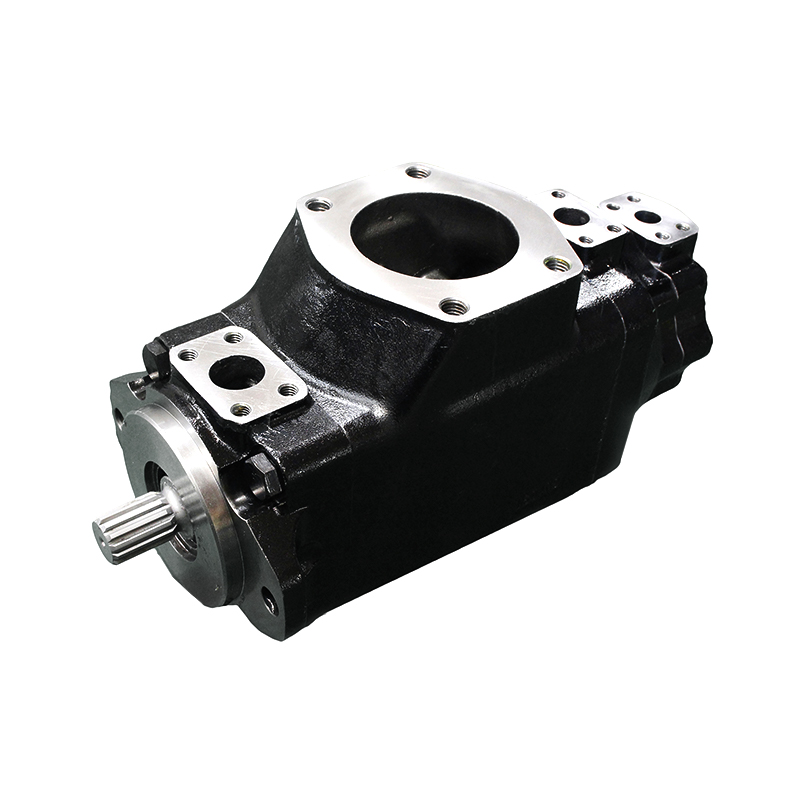
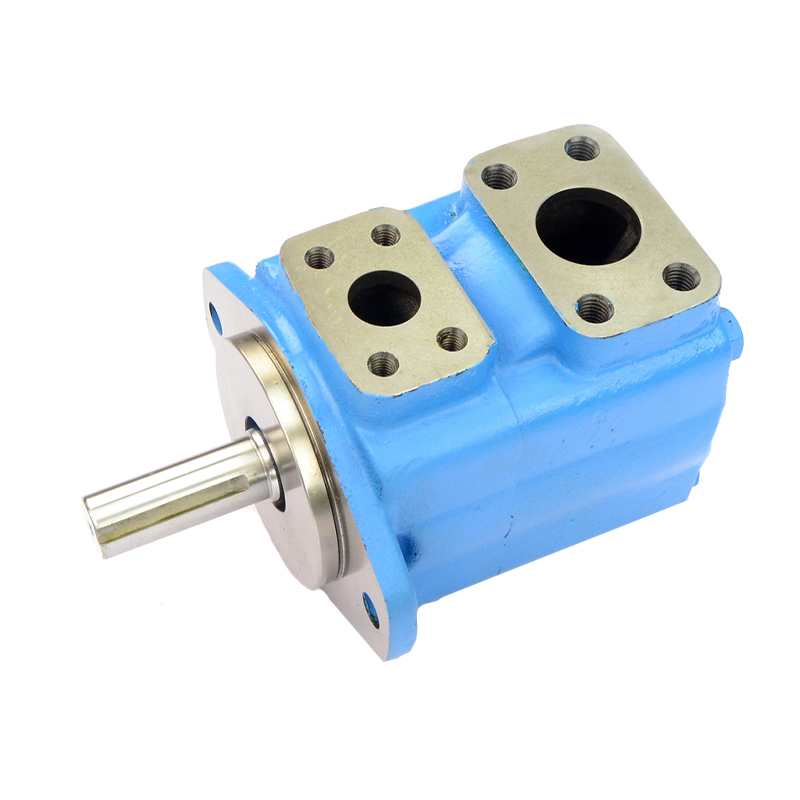
Vane pumps use spring-loaded vanes that ride against the pump housing to move fluid. They are quieter than gear pumps and produce a smoother flow, which makes them suitable for applications like power steering and precise cylinder control. However, they are more sensitive to fluid contamination and wear faster under high-pressure conditions.
Single-Acting vs. Double-Acting Units
Beyond pump mechanism, the circuit type matters:
- Single-acting: Pump pushes fluid in one direction; gravity or a spring returns the cylinder. Common in dump trailers.
- Double-acting: Pump controls extension and retraction actively. Used where powered return is necessary, such as snowplow blades or two-way cylinders.
Key Specifications to Compare Before Buying
When evaluating a small 12V hydraulic pump, four core specifications determine whether it suits your application:
| Specification | Typical Range | Why It Matters |
|---|---|---|
| Max Pressure (PSI) | 1,000 – 3,500 PSI | Must match or exceed cylinder working pressure |
| Flow Rate (GPM) | 0.5 – 4 GPM | Determines speed of cylinder movement |
| Current Draw (Amps) | 30 – 120 A | Affects battery drain and wiring requirements |
| Reservoir Capacity (Qt) | 1 – 5 Quarts | Affects run time and thermal performance |
| Duty Cycle | 10% – 50% | Limits continuous run time before overheating |
Duty cycle is one of the most overlooked specs. A pump rated at 10% duty cycle should only run for 1 minute out of every 10. Exceeding this causes motor overheating and premature failure. For frequent or prolonged use, choose a pump with a 30–50% duty cycle rating.
How to Size a 12V Hydraulic Pump for Your Application
Proper sizing prevents both underpowered performance and unnecessary cost. Follow these steps:
- Determine required force: Calculate the load the cylinder must move. For example, lifting a 2-ton dump bed may require 2,000–2,500 PSI depending on cylinder bore size.
- Calculate cylinder volume: Use the formula: Volume (gallons) = Bore Area (in²) × Stroke (in) ÷ 231. This tells you how much fluid must move per cycle.
- Set your speed target: Divide cylinder volume by desired cycle time (in minutes) to get required GPM. A 1-gallon cylinder completing a cycle in 15 seconds needs about 4 GPM.
- Check your power source: A 12V pump drawing 100 amps requires a battery capable of short-burst high current. A standard 600 CCA vehicle battery suffices for most small applications; add a dedicated auxiliary battery for heavy or frequent cycles.
- Match wire gauge: At 100A draw, use a minimum of 4 AWG wire and a properly rated fuse or circuit breaker within 18 inches of the battery terminal.
Top Features to Look for in a Quality Unit
Beyond specs, build quality and included features separate a reliable pump from a problematic one:
- Thermal overload protection: A built-in thermal switch shuts the motor down before damage occurs. This is essential for intermittent-duty applications.
- Integrated pressure relief valve: Protects the system from overpressure spikes. Factory-set units typically have relief valves preset between 2,000 and 3,000 PSI.
- Suction strainer or filter: Keeps particulate contamination out of the pump. Systems without filtration see pump life cut by up to 50% in dusty or outdoor environments.
- Sealed motor housing: Weatherproof motors (IP44 or higher) resist moisture ingress in outdoor and marine applications.
- Mounting flexibility: Adjustable or multi-position mounting brackets allow installation in tight spaces on trailers, truck beds, and equipment frames.
Installation Tips and Common Mistakes
Even a well-specified pump can fail early if installed incorrectly. Avoid these common mistakes:
Using Undersized Wiring
The most common installation error is using wiring that's too thin. A 12V pump pulling 80–100 amps through 10 AWG wire will cause voltage drop, reduced performance, and potential fire risk. Always use 4 AWG or larger for runs over 5 feet at high current draw.
Incorrect Hydraulic Fluid
Most small 12V hydraulic power units are designed for AW32 or AW46 hydraulic oil. Using ATF or motor oil can degrade seals and cause leaks within a few operating hours. Always consult the manufacturer's fluid specification before filling the reservoir.
Running the Pump Dry
Gear and vane pumps rely on hydraulic fluid for internal lubrication. Even a few seconds of dry operation can score the gear faces or collapse vanes. Always verify the reservoir is filled before powering the unit.
Ignoring Air Bleeding
After installation, air trapped in the lines causes spongy or erratic cylinder movement. Bleed the system by cycling the cylinder slowly through its full stroke several times with a loose fitting at the cylinder port until fluid (not foam) flows consistently.
Maintenance Schedule to Maximize Pump Life
A small 12V hydraulic pump that receives basic maintenance can last 5 to 10 years or more in typical light-duty service. Follow this schedule:
| Task | Interval | Notes |
|---|---|---|
| Check fluid level | Before each use | Top off with correct fluid grade |
| Inspect hoses and fittings | Monthly | Look for cracks, abrasion, and seeping fittings |
| Clean suction strainer | Every 50 hours | Blocked strainer causes cavitation |
| Change hydraulic fluid | Annually or every 200 hours | Degrade fluid carries acidic byproducts |
| Check electrical connections | Seasonally | Corrosion at terminals increases resistance and heat |
Price Range and What to Expect at Each Tier
Small 12V hydraulic pumps vary significantly in price depending on capacity, duty cycle, and brand. Here's what each budget tier typically delivers:
- $80 – $180: Entry-level single-acting units with 1–2 quart reservoirs, 10% duty cycle, and basic gear pumps. Suitable for occasional use on small dump trailers or ATV attachments.
- $180 – $400: Mid-range units with double-acting capability, 2–3.5 quart reservoirs, 20–30% duty cycles, and solenoid valve control. Good for log splitters, truck bed lifts, and snowplows.
- $400 – $900+: Heavy-duty power units with 4–5 quart reservoirs, 50% duty cycles, aluminum construction, and integrated directional control valves. Built for commercial or frequent-use applications like landscaping equipment and service trucks.
Brands like Buyers Products, NorTrac, Prince, and Concentric dominate the mid-to-high market and carry replacement parts widely — an important factor when selecting a pump for long-term use.
Final Recommendation
For most users — whether powering a dump trailer, log splitter, or snowplow — a double-acting 12V gear pump unit in the $200–$400 range with a 2,500 PSI rating and 20–30% duty cycle covers the majority of light-to-medium applications reliably. Focus on matching PSI and GPM to your cylinder specs, size your wiring correctly, and follow a basic maintenance routine. These steps alone will extend your pump's service life dramatically and prevent the most common failures in the field.