

 русский
 Español
 عربى
عربى

Content
What is a Pump Package
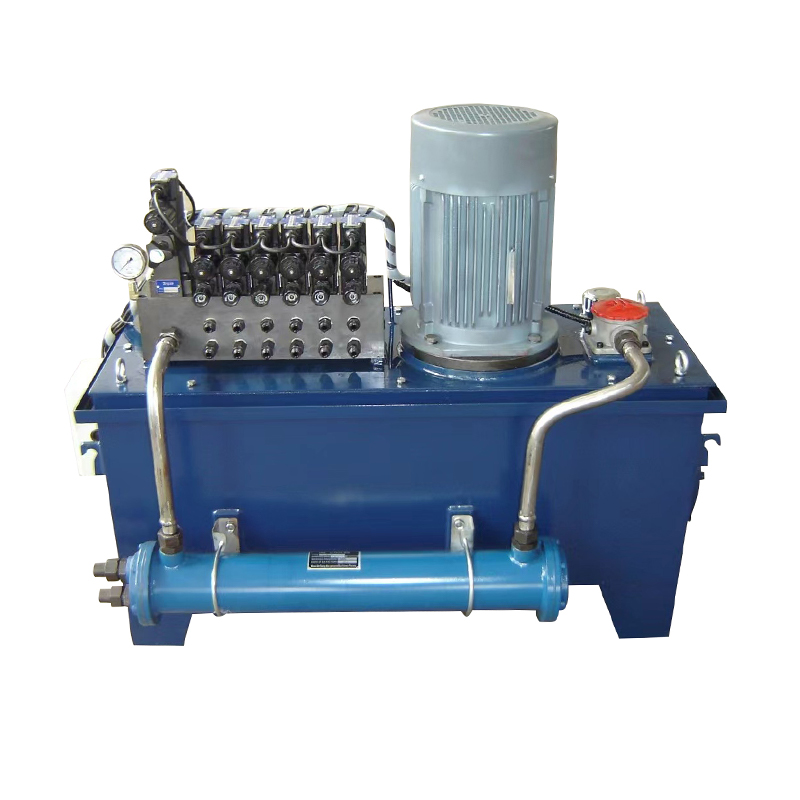
A pump package is a complete, pre-assembled pumping system that integrates all necessary components into a single, ready-to-install unit. These systems combine the pump, motor, controls, piping, valving, and often auxiliary equipment on a common base frame or skid.
Pump packages offer significant advantages over field-assembled systems:
- Reduced installation time and labor costs
- Factory testing ensures proper operation before delivery
- Single-source responsibility for the entire system
- Improved quality control during manufacturing
- Easier transportation and placement at the installation site
Key Components of Pump Packages
Understanding the individual components helps in selecting and maintaining pump packages effectively. Each element plays a critical role in system performance.
Primary Components
- Pump unit - centrifugal, positive displacement, or specialty pumps depending on application
- Driver - electric motor, diesel engine, or steam turbine
- Base frame or skid - structural foundation for mounting equipment
- Coupling or drive system - connects pump to driver
- Piping and valving - suction, discharge, bypass, and isolation valves
Control and Monitoring Systems
- Control panel with starter and protection devices
- Pressure and flow gauges for performance monitoring
- Temperature sensors for equipment protection
- Vibration monitoring for predictive maintenance
- Variable frequency drives for flow control when required
Types of Pump Packages
Different applications require specialized pump package configurations. Selecting the right type ensures optimal performance and longevity.
| Package Type | Primary Application | Key Features |
| Booster Pump Package | Water supply systems | Multiple pumps, pressure tanks, controls |
| Fire Pump Package | Fire protection | UL/FM listed, jockey pump, diesel backup |
| Chemical Transfer Package | Chemical processing | Corrosion-resistant materials, containment |
| Dewatering Package | Construction, mining | Portable, self-priming, solids handling |
| Condensate Return Package | Steam systems | High-temperature capability, receiver tank |
Selection Criteria for Pump Packages
Proper selection requires careful consideration of multiple factors to ensure the package meets operational requirements and provides reliable service.
Hydraulic Requirements
- Flow rate - gallons per minute or cubic meters per hour needed
- Total dynamic head - pressure requirements including friction losses
- Net positive suction head available versus required
- Operating temperature and pressure ranges
- Continuous versus intermittent duty cycles
Fluid Characteristics
- Specific gravity and viscosity of pumped liquid
- Chemical compatibility with wetted materials
- Solids content, size, and abrasiveness
- Vapor pressure and potential for cavitation
- Toxicity and environmental considerations
Site and Environmental Factors
- Available electrical supply voltage and phase
- Indoor or outdoor installation requirements
- Ambient temperature extremes and weather protection
- Hazardous area classification if applicable
- Space constraints and accessibility for maintenance
Installation Best Practices
Proper installation is critical for achieving design performance and preventing premature failures. Following established procedures ensures trouble-free operation.
Foundation and Mounting
- Prepare level concrete foundation with proper thickness and reinforcement
- Use vibration isolation mounts when noise reduction is required
- Ensure anchor bolts are correctly positioned and grouted
- Verify levelness before final tightening of mounting bolts
- Allow adequate clearance around package for ventilation and service
Piping Connections
- Support piping independently to avoid stressing pump nozzles
- Install isolation valves for maintenance access
- Use flexible connectors to accommodate thermal expansion
- Ensure suction piping is properly sized and configured to prevent air entrapment
- Flush piping systems before connecting to remove debris
Electrical and Controls
- Verify power supply matches motor nameplate requirements
- Connect grounding conductors properly for safety
- Check motor rotation direction before coupling to pump
- Test all control functions and safety interlocks
- Program controllers according to application requirements
Maintenance and Troubleshooting
Regular maintenance extends equipment life and prevents unexpected failures. A systematic approach to troubleshooting minimizes downtime when problems occur.
Routine Maintenance Tasks
- Check and record bearing temperatures and vibration levels
- Inspect mechanical seals or packing for leakage
- Monitor motor current draw and compare to baseline
- Lubricate bearings according to manufacturer schedule
- Test emergency shutdowns and alarm functions
- Clean strainers and filters regularly
Common Problems and Solutions
- Low flow or pressure - check for clogged strainers, worn impeller, or incorrect speed
- Excessive vibration - verify alignment, check for cavitation, inspect bearings
- High power consumption - examine for system changes, impeller damage, or bearing problems
- Seal failure - investigate suction conditions, ensure proper flushing, check for dry running
- Motor overheating - verify ventilation, check for voltage imbalance, measure load
Advantages of Packaged Systems
Choosing a pump package over individual components delivers multiple benefits throughout the equipment lifecycle. These advantages justify the initial investment in most applications.
- Faster project completion - factory assembly eliminates field installation time
- Reduced engineering effort - manufacturer handles system design and integration
- Quality assurance - complete factory testing before shipment identifies issues early
- Warranty simplification - single vendor responsible for entire system performance
- Space efficiency - optimized layout minimizes footprint requirements
- Code compliance - packages designed to meet applicable standards and regulations
- Easier relocation - skid-mounted systems can be moved if facility needs change
Cost Considerations
While pump packages may have higher upfront costs than component purchases, total ownership costs are often lower. A complete cost analysis should include all factors.
Initial Investment
- Package price includes engineering, assembly, and testing
- Reduced field labor costs offset higher equipment price
- Shorter installation timeline reduces indirect project costs
- Factory testing eliminates startup problems and commissioning delays
Operating Costs
- Energy efficiency from proper component sizing and integration
- Lower maintenance requirements with quality assembly and alignment
- Extended component life from controlled manufacturing conditions
- Reduced spare parts inventory with standardized packages
- Simplified training for operators and maintenance personnel