

 русский
 Español
 عربى
عربى

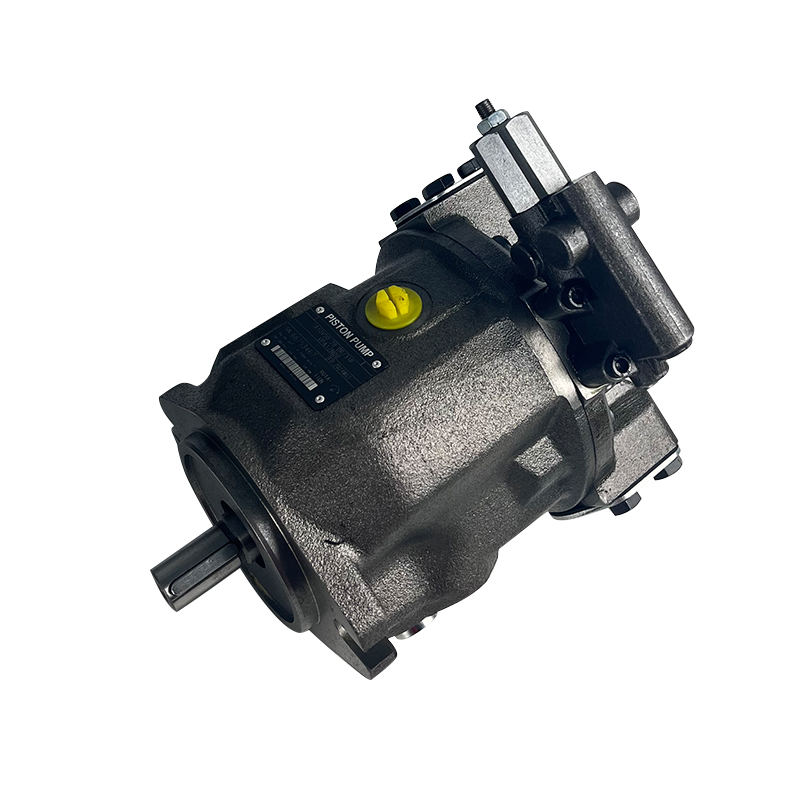
Piston pumps are widely used in industrial, hydraulic, and manufacturing applications due to their high-pressure capabilities and precise fluid delivery. In harsh environments, including those with abrasive fluids, extreme temperatures, or corrosive chemicals, the durability of piston pumps is a critical factor. Manufacturers design these pumps with materials and engineering features that reduce wear and corrosion, ensuring long-term reliability and consistent performance under demanding conditions.
Content
Key Materials for Wear and Corrosion Resistance
The selection of materials is fundamental to a piston pump’s resistance to harsh conditions. High-quality stainless steel, hardened alloys, and ceramic coatings are commonly used for pistons, cylinders, and valve components. Stainless steel offers excellent corrosion resistance against acidic and saline environments, while hardened alloys reduce wear from abrasive fluids. Ceramic or tungsten carbide coatings further enhance the lifespan of critical moving parts, reducing friction and preventing surface degradation.
Additionally, high-performance elastomers and seals are selected to withstand chemical attack and temperature variations. Fluoroelastomers (FKM) and polyurethane seals are commonly used for their ability to maintain elasticity and prevent leaks in aggressive fluid applications.
Engineering Design Considerations
Beyond materials, piston pump design significantly affects resistance to wear and corrosion. Low-friction surface treatments, precise machining tolerances, and optimized clearances reduce mechanical wear. Pumps are often designed with replaceable liners and pistons, allowing maintenance without full replacement. This modular approach extends operational life and minimizes downtime in industrial environments.
Design features such as self-lubricating pistons and pressure-balanced components also contribute to long-term durability. Self-lubrication reduces direct metal-to-metal contact, lowering wear, while pressure balancing prevents uneven loading that can lead to premature surface fatigue.
Resistance to Abrasive Fluids
In applications involving abrasive fluids, such as slurry or chemical mixtures, piston pumps must maintain efficiency despite continuous particle impact. Hardened surfaces, ceramic coatings, and precision sealing help prevent erosion and pitting. Engineers often recommend specific materials and surface treatments depending on fluid characteristics to optimize pump longevity.
Regular monitoring and filtration systems also complement the pump’s durability by reducing the entry of large particulates. This combination of material selection, design, and preventive measures ensures that piston pumps continue to operate efficiently even in challenging industrial processes.
Corrosion Resistance in Chemical Environments
Corrosive fluids, including acids, bases, and saline solutions, can degrade metal surfaces and compromise pump functionality. Piston pumps designed for these environments utilize corrosion-resistant alloys such as 316 stainless steel, duplex stainless steel, or coated carbon steel. Additionally, non-metallic components, such as PTFE or high-performance polymers, are used for internal linings to prevent chemical attack.
Designers also consider chemical compatibility when selecting seals, gaskets, and lubricants. Fluorocarbon-based materials provide resilience against a wide range of chemicals, maintaining sealing integrity and preventing fluid leakage that can lead to system damage.
Maintenance Strategies to Enhance Durability
Even with advanced materials and design, regular maintenance is crucial for sustaining piston pump performance. Monitoring wear indicators, replacing seals and pistons when necessary, and ensuring clean, filtered fluids are essential practices. Lubrication schedules and inspection protocols prevent early wear and corrosion, extending service life and reducing unexpected downtime.
Some industrial operators also employ predictive maintenance technologies, using sensors to detect vibration, temperature, and pressure anomalies. This data allows operators to address potential issues before they cause significant damage, further enhancing pump reliability in harsh operating conditions.
Comparison Table: Material and Design Impact
| Feature | Standard Material | Advanced Material/Design |
| Wear Resistance | Moderate | High – hardened alloys, coatings |
| Corrosion Resistance | Limited | High – stainless steel, polymer liners |
| Maintenance Frequency | Frequent | Reduced with modular components |
| Fluid Compatibility | Narrow | Wide – chemical-resistant seals & coatings |
Conclusion
Piston pumps are engineered to withstand harsh industrial environments through a combination of advanced materials, precision design, and proactive maintenance practices. Resistance to wear and corrosion is achieved via hardened alloys, stainless steel, ceramic coatings, and chemical-resistant seals. By selecting the appropriate pump design and following maintenance protocols, industrial operators can ensure long-term performance, reliability, and efficiency even under extreme operating conditions.