

 русский
 Español
 عربى
عربى

Content
- 1 Understanding Efficiency in Hydraulic Motor Systems
- 2 How Piston Motors Operate Compared to Other Types
- 3 Why Piston Motors Achieve Higher Efficiency
- 4 Efficiency Across Speed and Load Ranges
- 5 Comparative Efficiency Overview
- 6 Energy Savings and Heat Reduction Benefits
- 7 Precision Control and System Responsiveness
- 8 Trade-Offs and Practical Considerations
- 9 Application Scenarios Where Efficiency Matters Most
- 10 Are Piston Motors Truly More Efficient?
Understanding Efficiency in Hydraulic Motor Systems
When evaluating hydraulic motors, efficiency is one of the most critical performance indicators. Efficiency determines how effectively hydraulic energy is converted into mechanical output, directly influencing operating costs, system heat generation, and overall reliability. Piston motors are often regarded as the most efficient option among hydraulic motor types, but understanding why requires a closer look at how efficiency is defined and measured in real-world applications.
Hydraulic motor efficiency typically includes volumetric efficiency, mechanical efficiency, and overall efficiency. These factors reflect internal leakage, friction losses, and energy conversion effectiveness. Comparing piston motors with gear motors and vane motors across these dimensions provides valuable insight into their true performance advantages.
How Piston Motors Operate Compared to Other Types
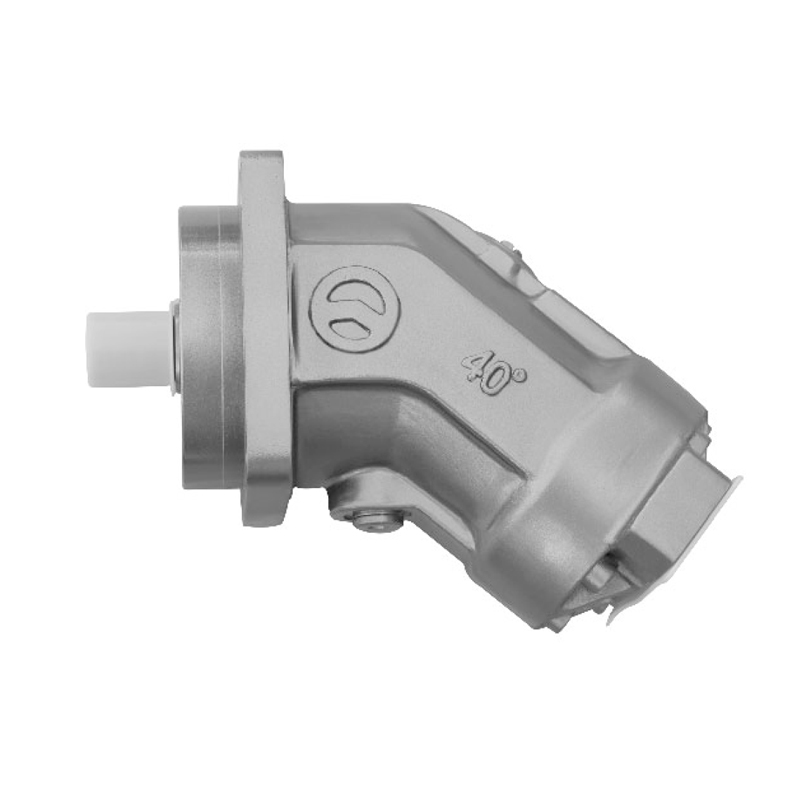
Piston motors generate rotational motion through multiple pistons arranged axially or radially around a drive shaft. Pressurized hydraulic fluid pushes the pistons, creating torque with high mechanical leverage. This design differs significantly from gear and vane motors, which rely on meshing gears or sliding vanes to produce motion.
Gear and Vane Motor Limitations
Gear motors are simple and cost-effective but suffer from higher internal leakage and friction at higher pressures. Vane motors offer smoother operation than gear motors, yet their sliding vane design can lead to wear and reduced efficiency over time, especially in demanding duty cycles.
Piston motors, by contrast, are engineered for precision and high-pressure operation, which allows them to maintain efficiency across a broader range of speeds and loads.
Why Piston Motors Achieve Higher Efficiency
The efficiency advantage of piston motors comes primarily from their internal design and tighter manufacturing tolerances. Reduced leakage paths and optimized sealing systems enable better utilization of hydraulic pressure.
Superior Volumetric Efficiency
Volumetric efficiency measures how much input fluid contributes to useful output rather than leaking internally. Piston motors typically maintain high volumetric efficiency even at elevated pressures, making them ideal for applications where consistent torque delivery is critical.
Lower Mechanical Losses
Rolling contact between pistons and components results in lower friction compared to sliding surfaces found in vane motors. This reduces mechanical losses, improves energy conversion, and minimizes heat generation within the system.
Efficiency Across Speed and Load Ranges
One of the most practical advantages of piston motors is their ability to maintain efficiency across wide operating ranges. Many hydraulic systems experience fluctuating loads and variable speeds, which can significantly affect motor performance.
Piston motors adapt well to these changes, delivering stable output without dramatic efficiency losses. This characteristic is particularly valuable in mobile equipment, industrial machinery, and precision control systems.
- High efficiency at both low and high speeds
- Consistent torque under varying loads
- Reduced need for oversizing components
Comparative Efficiency Overview
A direct comparison helps clarify where piston motors stand relative to other hydraulic motor types. While efficiency varies by design and manufacturer, general performance trends are consistent across most applications.
| Motor Type | Typical Efficiency | Best Use Case |
| Piston Motor | High | High pressure, variable load |
| Vane Motor | Medium | Moderate pressure, smooth motion |
| Gear Motor | Medium to Low | Low cost, simple systems |
Energy Savings and Heat Reduction Benefits
Higher efficiency directly translates into lower energy consumption. Piston motors require less input power to achieve the same output torque, reducing the load on hydraulic pumps and prime movers.
Additionally, improved efficiency results in less wasted energy converted into heat. Lower operating temperatures extend fluid life, reduce cooling requirements, and enhance overall system reliability.
Precision Control and System Responsiveness
Efficiency is not only about energy savings but also about control quality. Piston motors offer precise displacement control, especially in variable-displacement designs. This allows fine adjustment of speed and torque without sacrificing efficiency.
In applications such as machine tools, winches, and test equipment, this precision improves productivity and reduces material waste. Other motor types may struggle to maintain similar responsiveness under changing conditions.
Trade-Offs and Practical Considerations
While piston motors offer superior efficiency, they are not always the best choice for every application. Higher manufacturing complexity and tighter tolerances typically result in higher initial costs compared to gear or vane motors.
- Higher upfront investment
- Greater sensitivity to fluid cleanliness
- More complex maintenance requirements
However, in systems where efficiency, durability, and performance are priorities, these trade-offs are often justified by long-term operational savings.
Application Scenarios Where Efficiency Matters Most
Piston motors are widely used in applications where efficiency has a direct impact on productivity and operating cost. Examples include construction machinery, agricultural equipment, marine systems, and industrial automation.
In these environments, high-pressure capability combined with consistent efficiency ensures reliable operation even under continuous or heavy-duty use.
Are Piston Motors Truly More Efficient?
In most demanding hydraulic applications, piston motors are indeed more efficient than other hydraulic motor types. Their superior volumetric and mechanical efficiency, combined with excellent performance across variable speeds and loads, sets them apart.
While they may not be the most economical option for simple or low-pressure systems, piston motors deliver measurable efficiency gains where performance and energy optimization are critical. For engineers and system designers focused on long-term value, piston motors remain a benchmark for hydraulic efficiency.