

 русский
 Español
 عربى
عربى

Content
- 1 How High Temperatures Impact Hydraulic Piston Pump Performance
- 2 Thermal Effects on Hydraulic Oil and Internal Mechanical Components
- 3 Impact on Pump Efficiency, Longevity, and Safety
- 4 Optimal Temperature Range and Performance Comparison
- 5 How to Protect Hydraulic Piston Pumps from Excessive Heat
- 6 Conclusion: Temperature Control Is Essential for Reliable Pump Performance
How High Temperatures Impact Hydraulic Piston Pump Performance
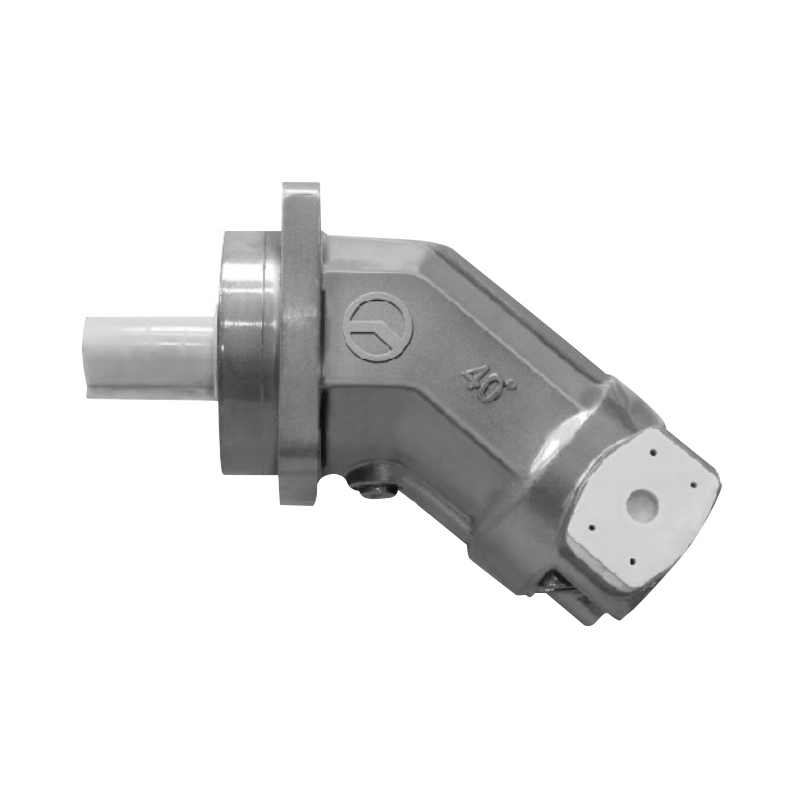
Hydraulic piston pumps are widely used in construction machinery, industrial production equipment, transportation systems, and heavy-duty hydraulic applications. Because these pumps operate under high pressure and continuous load, heat becomes an inevitable factor affecting their performance. When ambient or system temperature rises, the behavior of hydraulic oil, internal components, and sealing materials changes, resulting in significant impacts on efficiency, durability, and stability. Understanding how high temperatures influence pump performance is essential for choosing the right pump type and maintaining system reliability.
Thermal Effects on Hydraulic Oil and Internal Mechanical Components
Hydraulic oil is the medium that transfers force and lubricates components. Once the operating temperature rises, its viscosity, lubricating ability, and resistance to oxidation can change drastically. These shifts directly impact piston pumps, which rely on precise tolerances and smooth mechanical movement to function efficiently. In addition, metal components such as pistons, cylinders, and valve plates undergo thermal expansion, creating dimensional changes that can disrupt pump performance if not managed effectively.
Changes in Oil Viscosity
High temperatures reduce oil viscosity, making it thinner and less capable of producing a stable lubrication film. When viscosity drops below the recommended range, metal-to-metal contact becomes more frequent, accelerating wear on pistons, swash plates, and bearings. This ultimately reduces mechanical efficiency and increases the risk of scoring or early failure. Pump manufacturers specify viscosity ranges to ensure optimal performance, and exceeding those limits compromises operational stability.
Thermal Expansion of Internal Components
Metal parts expand when heated, and hydraulic piston pumps contain extremely precise clearances. Even slight expansion can reduce internal gap tolerances, leading to friction increases or even partial internal seizure. In severe cases, expansion can cause misalignment, raising the load on the pump shaft and reducing volumetric efficiency. Modern pumps use materials engineered for stable performance at elevated temperatures, but high heat still remains a major design challenge.
Accelerated Oxidation and Oil Degradation
Heat accelerates chemical reactions, causing the oil to oxidize faster. Oxidized oil forms sludge and varnish, which can obstruct internal channels and reduce the responsiveness of valves. These deposits also adhere to moving surfaces, increasing friction and raising the operating temperature even further. This creates a negative cycle where heat accelerates degradation, and degradation generates additional heat.
Impact on Pump Efficiency, Longevity, and Safety
As temperature rises, the negative effects compound, influencing not only component wear but also overall hydraulic performance. The efficiency loss is often noticeable in reduced output pressure, decreased flow rate, and higher energy consumption. If high temperature conditions persist, operational risks such as seizure, leaking, and internal seal failure become increasingly likely.
Drop in Volumetric Efficiency
Low-viscosity oil fails to seal gaps effectively, causing internal leakage. This leads to lower pump output even though power input remains the same. The pump must work harder to deliver the required pressure, resulting in increased heat generation and reduced operational lifespan.
Seal Deformation or Damage
Seals are typically made from rubber or polymer materials sensitive to heat. Excessive temperature can lead to hardening, softening, or cracking. Once seals are compromised, leakage increases and contamination enters the system, further damaging internal components.
Increased Operational Safety Risks
Overheated hydraulic systems pose safety hazards such as sudden pressure loss, pump seizure, or burst hoses. These failures can halt operations and create workplace hazards, especially in industries such as mining, metal processing, and construction where equipment operates continuously under load.
Optimal Temperature Range and Performance Comparison
Hydraulic piston pumps are designed to operate efficiently within a specific temperature range. While the exact limits vary by model and manufacturer, most pumps perform best when the hydraulic fluid stays between 40°C and 60°C. Performance begins to degrade above 70°C, and severe damage becomes likely beyond 80°C. The table below summarizes how temperature affects pump characteristics.
| Temperature Range | System Behavior | Performance Impact |
| 40–60°C | Optimal lubrication and viscosity | Stable and efficient operation |
| 60–70°C | Viscosity loss begins | Slight decrease in efficiency |
| 70–80°C | Accelerated wear and leakage | Significant performance decline |
| Above 80°C | Oil breakdown and seal damage | High failure risk |
How to Protect Hydraulic Piston Pumps from Excessive Heat
Managing heat is critical for achieving long-lasting pump performance. Proper system design, maintenance, and operational adjustments can help keep temperatures within safe limits. Simple measures such as improving ventilation, using high-quality hydraulic oil, or installing heat exchangers can significantly boost system stability and pump durability.
Improve System Cooling Capacity
In applications with continuous operation, a dedicated cooling system—such as air-cooled or water-cooled heat exchangers—helps dissipate heat effectively. Ensuring adequate airflow around the pump and regulating ambient temperatures further enhances cooling efficiency.
Use High-Temperature Hydraulic Oil
Selecting oil with a higher viscosity index and superior thermal stability reduces breakdown risks. Premium oils resist oxidation and maintain lubricating properties longer, allowing pumps to operate more reliably in demanding thermal environments.
Routine Inspection and Cleaning
Filters, valves, and internal channels must remain unobstructed to avoid heat accumulation. Sludge buildup increases resistance and generates additional heat. Regular flushing and filter replacement help prevent this issue and extend the pump’s operational life.
Conclusion: Temperature Control Is Essential for Reliable Pump Performance
High temperatures can significantly affect the performance and lifespan of hydraulic piston pumps by altering oil characteristics, accelerating wear, and increasing safety risks. However, with proper cooling, high-quality hydraulic oil, effective maintenance, and careful monitoring, these risks can be minimized. Maintaining the pump within its optimal temperature range ensures reliability, efficiency, and long-term cost savings. For industries that rely heavily on hydraulic systems, understanding and managing thermal effects is essential for maximizing operational performance.