

 русский
 Español
 عربى
عربى

Content
Introduction: The Importance of Piston Motors
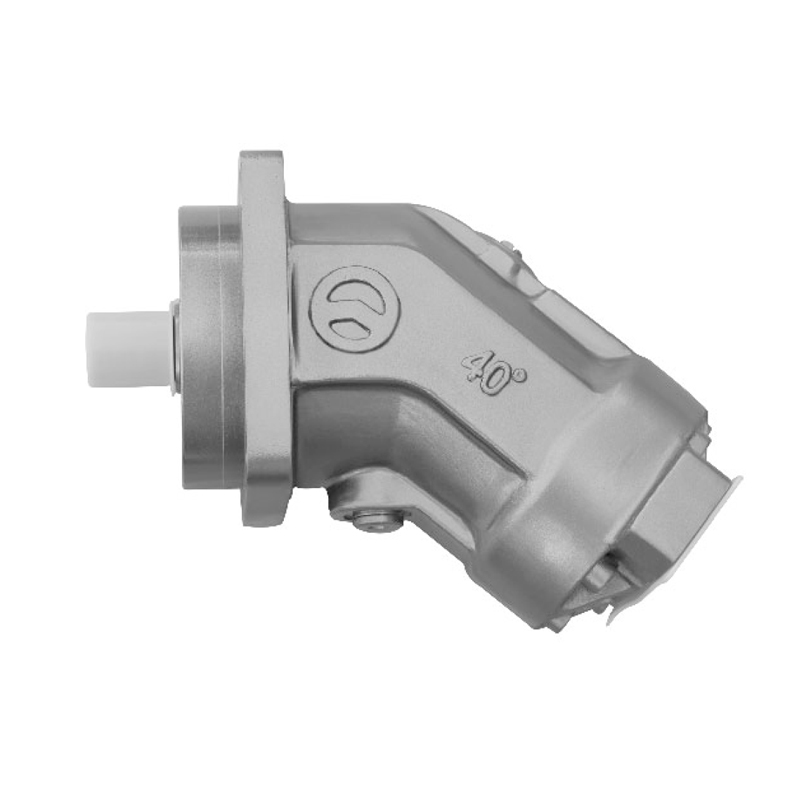
Piston motors are a cornerstone of hydraulic and mechanical systems across industrial, construction, and agricultural sectors. Their performance and longevity directly impact equipment efficiency, maintenance costs, and operational uptime. Recent technological innovations in materials, design, and lubrication have significantly extended the operational lifespan of piston motors, enabling better performance under high-pressure and high-load conditions. This article explores the latest advancements, practical applications, and maintenance strategies that optimize piston motor performance and durability.
Advances in Material Science
Material innovation plays a critical role in extending piston motor lifespan. High-strength alloys, wear-resistant coatings, and advanced composites reduce friction, prevent corrosion, and withstand high-pressure environments. These materials ensure consistent performance, minimize downtime, and lower long-term maintenance requirements. Additionally, precise machining techniques enhance component fit and tolerance, reducing mechanical stress during operation.
Material Innovations
- High-strength steel and titanium alloys resist wear and deformation under heavy loads.
- Ceramic coatings reduce friction and improve thermal stability.
- Composite materials provide lightweight solutions while maintaining durability.
Enhanced Design and Engineering
Modern piston motor designs incorporate optimized geometries and precision engineering to improve performance and reduce wear. Variable displacement designs, balanced pistons, and improved sealing systems reduce internal stress, heat buildup, and energy loss. These design enhancements contribute to longer operational lifespans, more consistent torque output, and lower maintenance costs.
Design Improvements
- Balanced piston arrays reduce vibration and uneven wear.
- Variable displacement designs optimize hydraulic efficiency.
- Advanced sealing systems prevent fluid leakage and contamination ingress.
Lubrication and Cooling Innovations
Proper lubrication and temperature control are essential for piston motor longevity. Modern systems utilize synthetic lubricants, adaptive cooling channels, and integrated heat exchangers to maintain optimal operating temperatures and reduce friction. These advancements prevent premature wear, extend service intervals, and enhance overall motor reliability.
Key Lubrication Features
- High-performance synthetic oils reduce metal-to-metal contact.
- Internal cooling channels maintain consistent temperatures during heavy-duty operation.
- Adaptive lubrication systems provide precise oil distribution to high-wear components.
Maintenance Practices for Extended Lifespan
Regular maintenance is critical to maximize the lifespan of piston motors. Monitoring fluid quality, performing routine inspections, and timely replacement of seals and bearings prevent unexpected failures. Condition-based maintenance using sensors and predictive analytics allows operators to identify potential issues before they result in costly downtime.
Practical Maintenance Strategies
- Regular inspection of hydraulic fluid for contamination and viscosity.
- Timely replacement of seals, bearings, and other wear-prone components.
- Utilization of sensors to monitor temperature, pressure, and vibration for predictive maintenance.
Applications Across Industries
Piston motors are widely used in industrial machinery, construction equipment, agricultural machinery, and energy systems. Their reliability, efficiency, and extended operational lifespan directly impact productivity and cost-effectiveness. Advanced piston motors enable heavy-duty machinery to operate longer with fewer interruptions, improving overall equipment utilization.
Industry Applications
- Construction: Excavators, loaders, and cranes rely on durable piston motors for hydraulic actuation.
- Agriculture: Piston motors power harvesters, tractors, and irrigation systems.
- Industrial: Manufacturing and automation machinery utilize high-performance piston motors for precision movement.
Cost-Benefit Analysis of New Technologies
Investing in advanced piston motor technologies may involve higher initial costs, but the reduction in downtime, maintenance frequency, and replacement costs justifies the expenditure. Improved efficiency, longer operational intervals, and enhanced reliability result in significant long-term savings for industrial operators.
Example Table: Operational Benefits
| Motor Type | Initial Cost | Maintenance Frequency | Operational Lifespan |
| Standard Piston Motor | Moderate | High | Medium |
| Enhanced Material Motor | High | Moderate | High |
| Smart Piston Motor | Very High | Low | Very High |
Conclusion: Future Outlook
Innovations in piston motor materials, design, and lubrication technologies are transforming industrial and heavy machinery operations. By investing in advanced piston motors, organizations achieve longer operational lifespans, lower maintenance costs, and improved efficiency. Continuous research and development ensure that piston motors will remain a vital component in high-performance machinery, supporting productivity and sustainability across diverse industries.