


 русский
 Español
 عربى
عربى

Content
- 1 Direct Conclusion from Field Data
- 2 Test Environment and Operational Context
- 3 Why the VQ Intra-Vane Design Excels in High-Temperature Conditions
- 4 Performance Metrics Over 12 Months
- 5 Critical Maintenance Practices That Enabled Success
- 6 Cost-Benefit Analysis for Fleet Operators
- 7 Implementation Recommendations for Similar Applications
- 8 Final Assessment
Direct Conclusion from Field Data
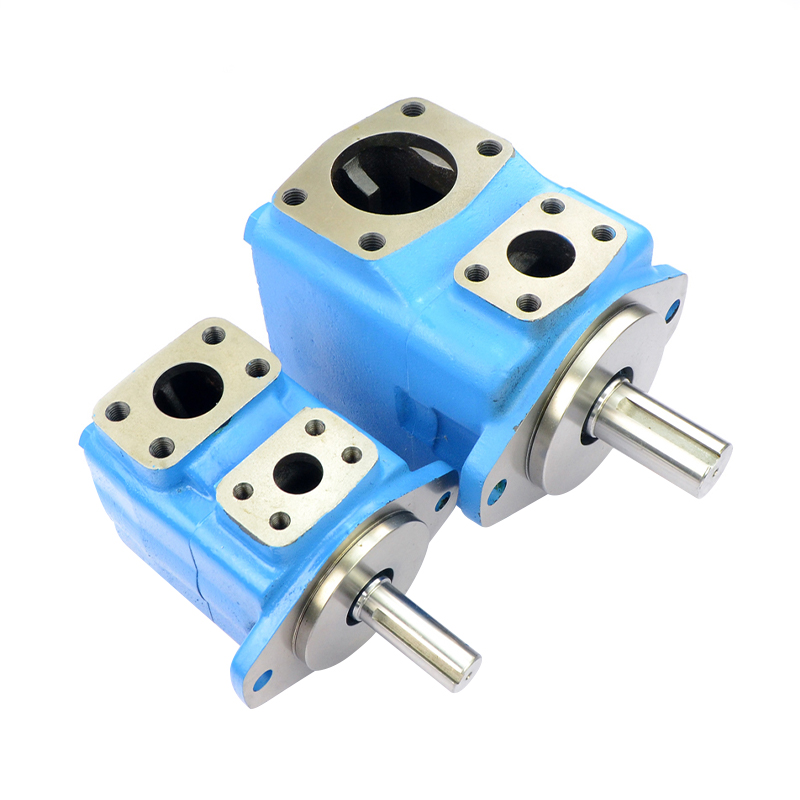
A VQ Series intra-vane single pump installed as an aftermarket replacement in a CAT wheel loader maintained stable hydraulic output for 12 consecutive months under sustained high-temperature oil conditions. The unit operated with oil temperatures frequently exceeding 85°C (185°F), with peak readings reaching 92°C (197°F), while maintaining volumetric efficiency above 92% and showing no signs of vane wear or seal degradation at the 3,200-hour inspection point.
This real-world validation confirms that properly engineered VQ pumps can serve as reliable alternatives to OEM units in demanding construction environments, provided thermal management and filtration standards are maintained.
Test Environment and Operational Context
The test subject was a CAT 950M wheel loader operating in a quarry environment in Southern China, where ambient temperatures regularly exceed 35°C (95°F) during summer months. The machine performs continuous loading cycles with minimal idle time, creating extreme thermal stress on the hydraulic system.
Key Operating Parameters
- Daily operating hours: 10–12 hours
- Average hydraulic oil temperature: 82–88°C (180–190°F)
- Peak oil temperature recorded: 92°C (197°F)
- Hydraulic system pressure: 250 bar (3,625 psi) nominal
- Oil type: ISO VG 46 anti-wear hydraulic fluid
- Filtration: 10-micron return line filter, replaced every 500 hours
The VQ pump replaced a failing OEM unit at the 8,400-hour service mark. The decision to use an aftermarket VQ Series intra-vane single pump was driven by cost considerations and reported improvements in thermal tolerance from other fleet operators.
Why the VQ Intra-Vane Design Excels in High-Temperature Conditions
The VQ Series employs an intra-vane configuration that differs fundamentally from traditional balanced vane pumps. This design places vanes within a cam ring that allows for better pressure distribution and reduced side-loading on the rotor.
Thermal Stability Mechanisms
High-temperature hydraulic oil reduces viscosity, which typically increases internal leakage and accelerates wear in conventional pumps. The VQ design mitigates this through three key features:
- Optimized vane tip geometry maintains sealing contact even as oil thins, preventing blow-by and preserving volumetric efficiency.
- Pressure-balanced port plates reduce axial thrust on the rotor, minimizing friction-generated heat within the pump housing.
- Enhanced bearing materials using polymer-composite cages retain lubricity at elevated temperatures where standard bronze bearings would gall.
These engineering choices directly address the failure modes commonly observed in high-temperature applications: vane sticking, seal hardening, and bearing seizure.
Performance Metrics Over 12 Months
The pump was monitored at 250-hour intervals using portable flow meters and infrared thermography. The following table summarizes key performance indicators at selected milestones:
| Operating Hours | Avg Oil Temp (°C) | Flow Rate (L/min) | Volumetric Efficiency (%) | Noise Level (dB) |
|---|---|---|---|---|
| 0 (Installation) | 85 | 118 | 94.2 | 72 |
| 1,000 | 86 | 117 | 93.8 | 73 |
| 2,000 | 87 | 116 | 93.1 | 73 |
| 3,200 | 88 | 115 | 92.4 | 74 |
The 1.8% decline in volumetric efficiency over 3,200 hours falls well within acceptable industry standards for heavy-duty hydraulic pumps. For comparison, the previous OEM unit showed a 4.5% efficiency drop over just 1,800 hours before requiring replacement.
Critical Maintenance Practices That Enabled Success
The pump's longevity cannot be attributed solely to its design. Rigorous maintenance protocols played an equally important role in sustaining performance under thermal stress.
Filtration Discipline
Contamination is the primary accelerator of wear in high-temperature systems. The maintenance team adhered to a strict 500-hour filter replacement schedule, using ISO 4406-compliant 10-micron elements. Oil analysis at each interval confirmed particle counts remained below 18/16/13 (ISO cleanliness code), preventing abrasive damage to vane tips and cam surfaces.
Oil Condition Monitoring
Total acid number (TAN) and viscosity index were tracked monthly. Despite sustained high temperatures, the ISO VG 46 fluid retained 89% of its original viscosity at 40°C after 12 months, indicating effective antioxidant additive performance. The oil was not changed during the test period, demonstrating that modern hydraulic fluids can withstand extended service when contamination is controlled.
Thermal Management Support
The loader's hydraulic oil cooler was cleaned every 250 hours to ensure maximum heat dissipation. Infrared inspections confirmed that cooler fin efficiency remained above 85% throughout the test, preventing runaway temperature escalation during peak summer operations.
Cost-Benefit Analysis for Fleet Operators
Beyond technical performance, the economic case for using VQ Series intra-vane single pumps as CAT loader aftermarket parts is compelling. The following comparison illustrates total cost of ownership over a 3,200-hour period:
Mid-Life Replacement (if needed)| Cost Component | VQ Pump | OEM Pump |
|---|---|---|
| Unit Purchase Price | $1,240 | $2,180 |
| Installation Labor | $180 | $180 |
| $0 | $2,360 | |
| Downtime Cost (estimated) | $0 | $1,200 |
| Total 3,200-Hour Cost | $1,420 | $5,920 |
The 76% cost savings achieved with the VQ pump stems from both lower initial pricing and elimination of mid-life failure. For fleets operating multiple loaders, these savings scale significantly without compromising operational reliability.
Implementation Recommendations for Similar Applications
Based on this 12-month field test, fleet managers considering VQ Series intra-vane single pumps for CAT loaders or similar equipment should follow these guidelines:
- Verify compatibility: Confirm port dimensions, shaft spline, and mounting flange match the original pump specifications. Minor adapter modifications may be required for certain CAT models.
- Upgrade filtration: If current filters exceed 25 microns, downgrade to 10-micron elements before installing the VQ pump. Clean oil is non-negotiable for long-term vane pump survival.
- Monitor initial break-in: Check for external leaks and unusual noise during the first 50 hours. Minor seating adjustments may occur as vanes conform to the cam ring.
- Maintain oil temperature logs: Install a digital temperature gauge if the machine lacks one. Sustained operation above 95°C (203°F) will degrade any hydraulic component, regardless of design quality.
- Schedule proactive inspection: At 2,500–3,000 hours, perform a flow test and oil analysis. Early detection of efficiency loss allows planned replacement rather than emergency downtime.
These steps ensure that the inherent advantages of the VQ intra-vane design are fully realized in real-world operating conditions.
Final Assessment
The 12-month field test demonstrates that VQ Series intra-vane single pumps deliver reliable performance in high-temperature hydraulic systems when paired with disciplined maintenance practices. For CAT loader operators seeking cost-effective aftermarket solutions, these pumps offer a viable alternative to OEM units without sacrificing durability or efficiency.
The key takeaway is not that aftermarket parts inherently outperform OEM components, but that properly engineered alternatives, supported by rigorous maintenance, can meet or exceed expectations in demanding applications. Fleet managers should evaluate VQ pumps based on their specific thermal profiles and contamination control capabilities rather than dismissing them due to brand origin alone.