


 русский
 Español
 عربى
عربى

Hydraulic pumps are the heart of countless industrial, agricultural, and automotive systems. When one fails, two questions arise immediately: how much will it cost to repair, and is it worth replacing with a modern alternative like a 12 volt electric hydraulic pump? This guide addresses both — breaking down realistic repair costs and providing a practical overview of 12V electric hydraulic pump options so you can make an informed decision.
Content
- 1 Hydraulic Pump Repair Cost: What to Expect
- 2 Key Factors That Drive Repair Costs Higher
- 3 Repair vs. Replace: How to Decide
- 4 What Is a 12 Volt Electric Hydraulic Pump?
- 5 Key Specifications to Understand Before Buying
- 6 Current Draw and Battery Considerations
- 7 Price Range for 12 Volt Electric Hydraulic Pumps
- 8 Maintenance Tips to Extend Pump Life
Hydraulic Pump Repair Cost: What to Expect
Repair costs vary significantly depending on the pump type, the extent of damage, and whether you use a professional service or attempt the repair yourself. On average, professional hydraulic pump repair runs between $200 and $1,500, with heavy-duty industrial units reaching $3,000 or more in extreme cases.
| Repair Type | Estimated Cost Range | Typical Turnaround |
|---|---|---|
| Seal replacement | $80 – $300 | 1 – 2 days |
| Bearing replacement | $150 – $500 | 1 – 3 days |
| Gear or piston overhaul | $400 – $1,200 | 3 – 7 days |
| Full pump rebuild | $800 – $3,000+ | 1 – 2 weeks |
Labor typically accounts for 40–60% of the total bill. Shops charge anywhere from $75 to $150 per hour depending on location and specialization. Always request an itemized quote before authorizing work — diagnostic fees alone can range from $50 to $200 and are sometimes waived if you proceed with the repair.
Key Factors That Drive Repair Costs Higher
Not all hydraulic pump failures are equal. Several factors can push your final bill toward the upper end of the range:
- Pump type: Piston pumps are more complex than gear or vane pumps and typically cost more to rebuild. A piston pump overhaul can cost twice as much as an equivalent gear pump repair.
- Contamination damage: If dirty fluid has caused internal scoring or erosion, additional components must be replaced, driving up parts costs substantially.
- Parts availability: Older or discontinued pump models may require sourced or custom-machined components, adding both cost and time.
- System pressure rating: High-pressure pumps (above 3,000 PSI) demand tighter tolerances during reassembly and more experienced technicians, both of which increase labor rates.
- Emergency service: Rush repairs or after-hours service at many shops carry a premium of 20–50% above standard rates.
Repair vs. Replace: How to Decide
A useful rule of thumb in the hydraulic industry: if repair costs exceed 50–60% of the price of a new equivalent pump, replacement is usually the smarter investment. A repaired pump may still carry worn internal components that will fail again within months, while a new unit comes with a manufacturer warranty and full service life.
That said, repair makes clear economic sense in the following scenarios:
- The pump is a high-value industrial unit where even a costly rebuild is far cheaper than a new replacement.
- The failure is isolated to a single component (such as a seal or bearing) with no cascading internal damage.
- A direct replacement model is no longer in production.
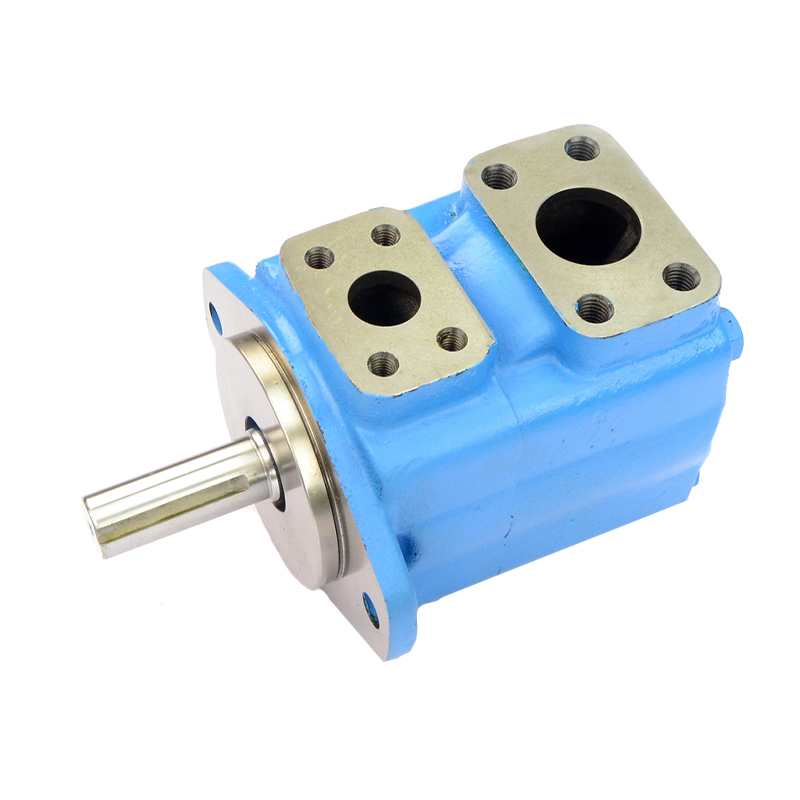
What Is a 12 Volt Electric Hydraulic Pump?
A 12 volt electric hydraulic pump is a self-contained unit that uses a 12V DC motor — typically powered by a vehicle battery or portable power source — to generate hydraulic pressure. Unlike engine-driven or PTO-powered pumps, 12V units operate independently of the host vehicle's drivetrain, making them highly portable and versatile.
These pumps are widely used in applications including:
- Dump trailer and dump bed systems on pickup trucks
- Log splitters and small hydraulic presses
- Snow plow and blade lift systems
- Hydraulic jacks and lifting platforms
- Boat trim and tilt mechanisms
- Agricultural equipment auxiliary functions
Key Specifications to Understand Before Buying
Selecting the right 12V hydraulic pump requires matching unit specifications to your application's demands. The following parameters are the most critical:
Maximum Pressure (PSI)
Most 12V electric hydraulic pumps are rated between 2,500 and 3,500 PSI. Light-duty applications such as small dump beds typically require 1,500–2,000 PSI, while log splitters and heavier lifts may need 3,000 PSI or above. Never operate a pump above its rated pressure — doing so causes rapid internal wear and seal failure.
Flow Rate (GPM)
Flow rate, measured in gallons per minute, determines how quickly your hydraulic cylinder extends or retracts. A pump with a higher GPM moves cylinders faster. For dump trailers, 1.5 to 3 GPM is typically sufficient. Applications requiring rapid cycling benefit from higher flow units, though these draw more current from the battery.
Reservoir Capacity
Integrated reservoir sizes on 12V pump units typically range from 1 to 5 quarts. Match reservoir capacity to the total fluid volume your cylinder system requires — an undersized reservoir causes the pump to run dry, while an oversized one adds unnecessary weight.
Single-Acting vs. Double-Acting
Single-acting pumps pressurize in one direction only, with gravity or a spring returning the cylinder. Double-acting pumps power movement in both directions, giving you active control over extension and retraction. Double-acting models cost more but are necessary for any application where you need precise bidirectional control.
Current Draw and Battery Considerations
A 12V hydraulic pump places a significant load on your electrical system. Under full load, most units draw between 100 and 250 amps. This means your vehicle's battery must be in good condition, and wiring should be appropriately sized — typically 2-gauge cable for runs under 10 feet, with an inline fuse rated to match the pump's amperage.
For applications where the pump runs frequently or for extended periods, consider installing a dedicated deep-cycle battery or an auxiliary battery system to avoid draining your starting battery. Always connect pump wiring directly to the battery terminals rather than through the vehicle's fuse box to prevent voltage drop and fuse panel overload.
Price Range for 12 Volt Electric Hydraulic Pumps
Entry-level 12V hydraulic pump units suitable for light-duty applications start at around $80 to $150. Mid-range units with higher pressure ratings, larger reservoirs, and double-acting capability typically fall between $200 and $500. Heavy-duty commercial-grade 12V pumps — built for continuous-duty cycles — can range from $600 to over $1,200.
When evaluating price, factor in the cost of mounting hardware, hydraulic hoses, fittings, and a solenoid valve or control switch if not included. These accessories can add $50 to $200 to the total installation cost.
Maintenance Tips to Extend Pump Life
Whether you are managing repair costs on an existing pump or maintaining a new 12V electric unit, a consistent maintenance routine prevents the majority of failures:
- Change hydraulic fluid regularly. Most manufacturers recommend fluid replacement every 500–1,000 operating hours or annually, whichever comes first. Degraded fluid loses viscosity and accelerates internal wear.
- Inspect and replace filters. A clogged suction or return filter starves the pump of fluid, causing cavitation — one of the most destructive failure modes in hydraulic systems.
- Check for external leaks. Even minor seepage around fittings or shaft seals indicates pressure loss and should be addressed before it worsens.
- Monitor operating temperature. Hydraulic fluid that runs consistently above 180°F (82°C) breaks down rapidly. Ensure adequate cooling and avoid running the pump continuously beyond its duty cycle rating.
- Keep electrical connections clean and tight. On 12V units specifically, corroded or loose terminals cause voltage drop that forces the motor to work harder, shortening its service life significantly.