

 русский
 Español
 عربى
عربى

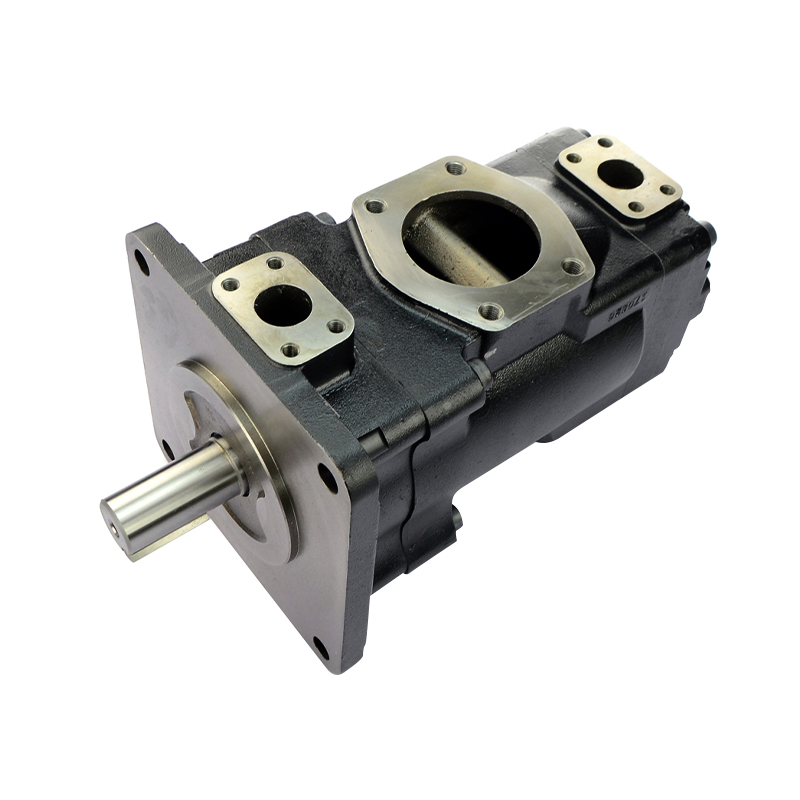
Integrating high-hardness alloy coatings with a flexible vane structure creates a robust solution for hydraulic systems operating under extreme stress. This advanced engineering approach directly addresses the common failures associated with high-impurity and high-viscosity fluids, resulting in a 30% to 50% reduction in total lifecycle costs compared to standard cast iron or uncoated steel pumps. By combining surface durability with structural adaptability, these pumps maintain volumetric efficiency where traditional units fail, offering a definitive answer to reliability challenges in heavy industry.
Content
The Synergy of Alloy Coatings and Flexible Vanes
Traditional hydraulic vane pumps often suffer from premature wear due to the rigid contact between vanes and the cam ring, especially when fluid lubrication is compromised by viscosity changes or contamination. The new generation of pumps solves this by decoupling surface hardness from structural rigidity.
High-Hardness Alloy Surface Protection
The application of specialized alloy coatings, such as tungsten carbide or chromium-nickel blends, provides a surface hardness exceeding HRC 60. This layer acts as an impermeable barrier against abrasive particles suspended in the hydraulic fluid. Unlike standard case-hardened steel, which can lose integrity once the surface layer is breached, these thick alloy coatings maintain their protective properties even under significant mechanical stress.
Dynamic Adaptability of Flexible Vanes
Complementing the hard coating is the innovative flexible vane design. Made from high-tensile composite materials, these vanes possess a controlled degree of elasticity. This allows them to maintain consistent contact with the cam ring without exerting excessive force, reducing friction heat and preventing the "stick-slip" phenomenon common in high-viscosity operations. The flexibility ensures that minor imperfections in the housing or temporary pressure spikes do not lead to catastrophic vane breakage.
Performance in High-Impurity and High-Viscosity Environments
Industrial hydraulics often deal with fluids that are far from ideal. Whether it is recycled oil containing microscopic metal shavings or heavy-grade lubricants that thicken in cold starts, the pump must adapt. The combination of alloy coatings and flexible vanes excels in these specific scenarios.
In high-impurity工况 (working conditions), abrasive particles typically act as lapping compounds, rapidly wearing down the side plates and vane tips. The alloy coating resists this abrasion, while the flexible vanes allow particles to pass through the critical sealing zone with less risk of jamming. For high-viscosity fluids, the reduced friction coefficient of the coated surfaces ensures that the pump does not require excessive torque to start, preventing motor overload and shaft shear.
| Parameter | Standard Vane Pump | Alloy Coated + Flexible Vane Pump |
|---|---|---|
| Max Fluid Viscosity (cSt) | 220 cSt | 460 cSt |
| Tolerance to Solid Contaminants | ISO 4406 18/16/13 | ISO 4406 20/18/15 |
| Corrosion Resistance (Salt Spray Test) | 48 Hours | >500 Hours |
Reducing Total Lifecycle Costs Through Durability
The initial investment in advanced hydraulic vane pumps is often higher than standard models, but the economic benefit is realized through extended service intervals and reduced downtime. The strong corrosion resistance and anti-wear properties mean that the pump maintains its efficiency curve for significantly longer periods.
- Extended Maintenance Intervals: Users report extending oil change and filter replacement cycles by up to 40% due to the pump's ability to tolerate degraded fluid conditions without immediate failure.
- Reduced Energy Consumption: The low-friction alloy coating reduces internal slip, maintaining higher volumetric efficiency over time. This translates to consistent energy usage, avoiding the gradual power creep seen in worn-out standard pumps.
- Lower Replacement Frequency: In high-abrasion applications, standard pumps may require rebuilding every 6-12 months. The alloy-coated flexible vane units often operate reliably for 3-5 years before major overhaul is needed.
Ultimately, the shift towards these resilient hydraulic components is not just a technical upgrade but a strategic financial decision. By mitigating the risks associated with fluid contamination and viscosity fluctuations, industries can achieve a more predictable and cost-effective operational model.