

 русский
 Español
 عربى
عربى

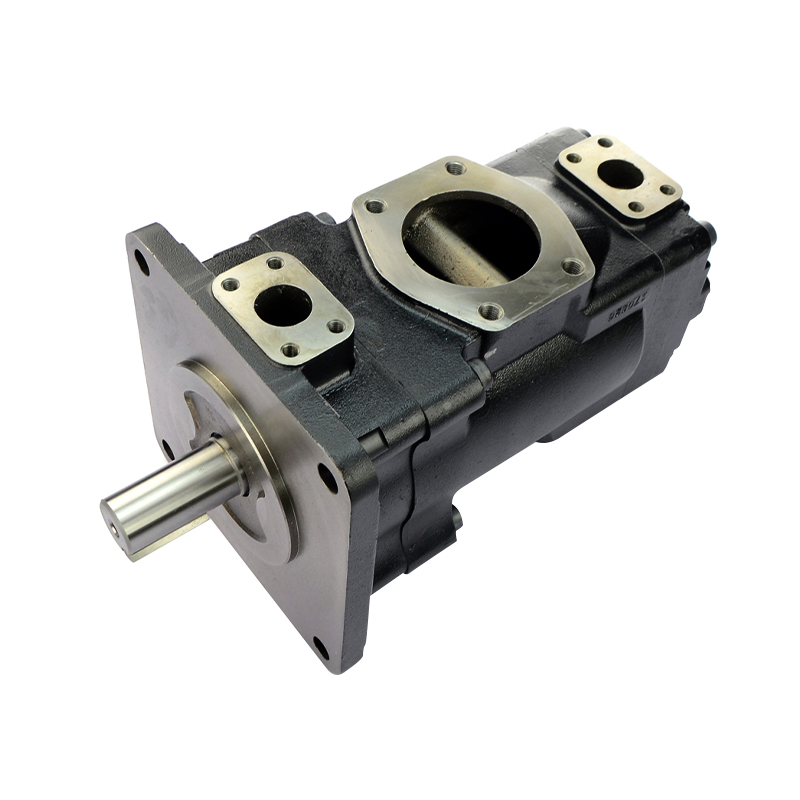
For industrial systems plagued by frequent pump failures due to fluid contamination or extreme viscosity, the solution lies in material science and structural innovation. Hydraulic vane pumps equipped with high-hardness alloy coatings and flexible vane structures offer superior resistance to corrosion and wear. This combination not only extends equipment life but also significantly lowers the total cost of ownership by reducing unplanned downtime and maintenance frequency in harsh operating environments.
Content
Engineering Resilience Against Corrosion and Wear
Standard hydraulic components often struggle when exposed to aggressive chemical agents or abrasive particulates. The integration of advanced surface treatments changes this dynamic entirely. High-hardness alloy coatings, typically applied via thermal spray or PVD processes, create a dense, non-porous layer that prevents corrosive fluids from reaching the base metal substrate.
Superior Surface Hardness and Integrity
These coatings achieve hardness levels that are 2-3 times higher than conventional hardened steel. This extreme hardness is crucial for resisting the micro-cutting action of suspended solids in hydraulic oil. Furthermore, the coating process ensures uniform coverage, eliminating weak points where corrosion could initiate. This is particularly vital in marine, chemical processing, and mining applications where exposure to saltwater, acids, or metallic dust is inevitable.
The Role of Flexible Vane Geometry
While the coating protects the surface, the flexible vane structure addresses mechanical stress. Traditional rigid vanes can fracture under shock loads or when fluid film thickness varies. Flexible vanes, designed with optimized geometry and composite materials, absorb these shocks. They maintain a consistent seal against the cam ring, preventing internal leakage even as wear patterns develop over time. This flexibility reduces the contact pressure, thereby minimizing heat generation and further enhancing wear resistance.
Optimized for High-Impurity and High-Viscosity Fluids
One of the most significant advantages of this pump design is its ability to handle non-ideal hydraulic fluids. In many heavy industries, maintaining pristine fluid conditions is costly and often impractical. These pumps are engineered to tolerate high levels of impurities and operate efficiently with high-viscosity oils.
High-viscosity fluids typically cause high starting torque and cavitation risks in standard pumps. The low-friction alloy coating reduces the breakaway torque, allowing the pump to start smoothly even with cold, thick oil. Meanwhile, the flexible vanes compensate for any slight irregularities in flow, ensuring stable pressure output. For high-impurity工况, the robust coating prevents abrasive wear, while the vane design allows small particles to pass without causing immediate jamming or scoring.
| Challenge | Standard Pump Response | Alloy/Flexible Vane Pump Response |
|---|---|---|
| High Viscosity Start-up | High torque, risk of shaft shear | Smooth start, low friction |
| Abrasive Contaminants | Rapid wear, loss of efficiency | Minimal wear, sustained efficiency |
| Corrosive Agents | Surface pitting, structural failure | Chemical inertness, long life |
Strategic Cost Reduction and Lifecycle Value
Adopting hydraulic vane pumps with these advanced features is a strategic move towards lowering the total lifecycle cost (LCC). While the upfront price may be higher, the long-term savings are substantial and measurable.
- Reduced Maintenance Labor: With extended service intervals, maintenance teams spend less time on pump rebuilds and more on proactive system monitoring.
- Lower Parts Inventory: The durability of the alloy coating means fewer spare pumps and repair kits need to be kept in stock, freeing up capital.
- Energy Efficiency: Consistent volumetric efficiency means the pump draws less power to achieve the same output, reducing electricity costs over years of operation.
In conclusion, for operations dealing with high-impurity or high-viscosity fluids, the switch to alloy-coated, flexible-vane hydraulic pumps is not just an upgrade—it is a necessity for reliable, cost-effective performance. The data clearly supports that the initial investment is quickly offset by the dramatic reduction in failure rates and maintenance expenses.